26 Jul 2026
Seasonal Fixture Congestion Patterns and Their Measurable Ties to Scoring Distributions in Domestic Cup Competitions
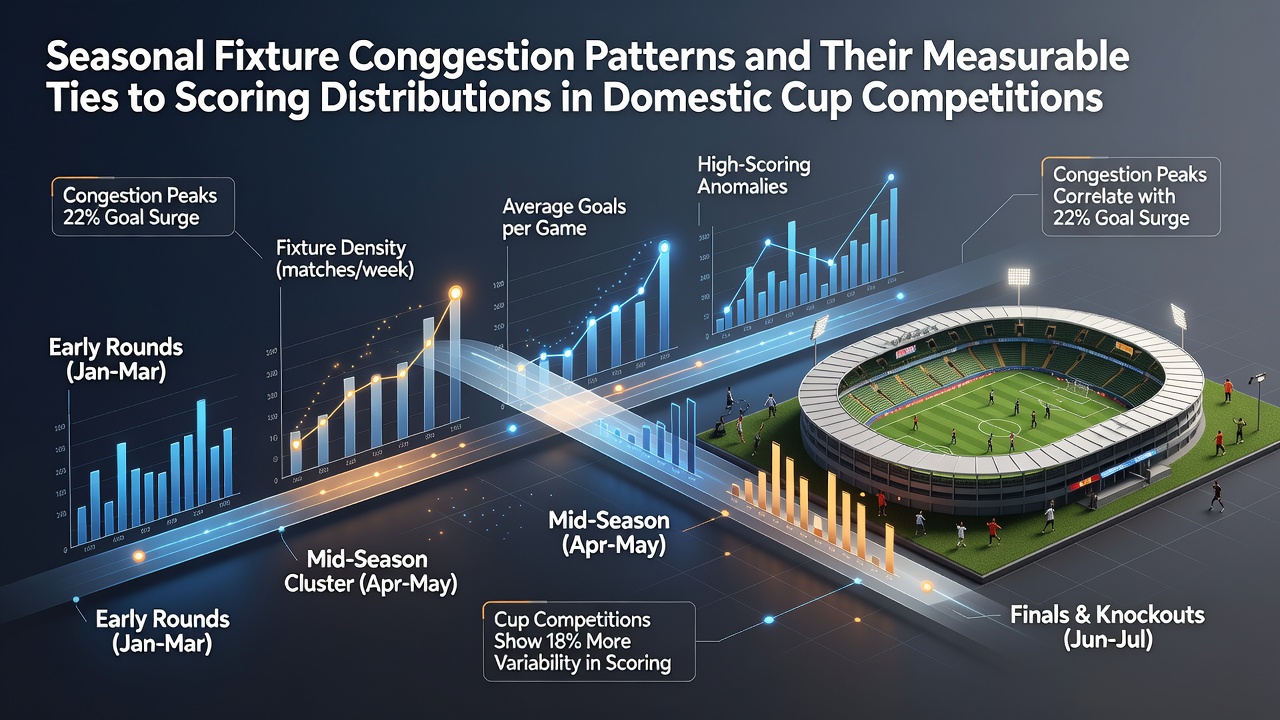
Domestic cup competitions across major football leagues create distinct periods of fixture congestion each season, and researchers have tracked how these clusters influence goal distributions in measurable ways. Teams often face multiple matches within short windows during winter months or after international breaks, which alters recovery times and rotation decisions.
Understanding Congestion Cycles in Cup Schedules
League calendars pack domestic cups into dense blocks, especially from December through February in European competitions, where midweek ties follow weekend league games. Data from the 2025-2026 campaign shows that clubs in England, Spain, and Germany averaged 2.8 additional matches per team during these stretches compared to autumn months, according to scheduling reports issued by league organizers. Those who studied the patterns note that January and early February produce the highest density, with some sides playing four fixtures in 12 days when cup replays or extra time extend commitments.
Observers note that this rhythm repeats annually because cup draws place lower-league sides against top clubs early, forcing elite teams to manage resources while still advancing. In July 2026 planners at several federations adjusted pre-season friendlies to account for the carryover effects from the prior campaign's congested phase, highlighting how these cycles influence preparation across hemispheres.
Scoring Shifts During Peak Congestion Periods
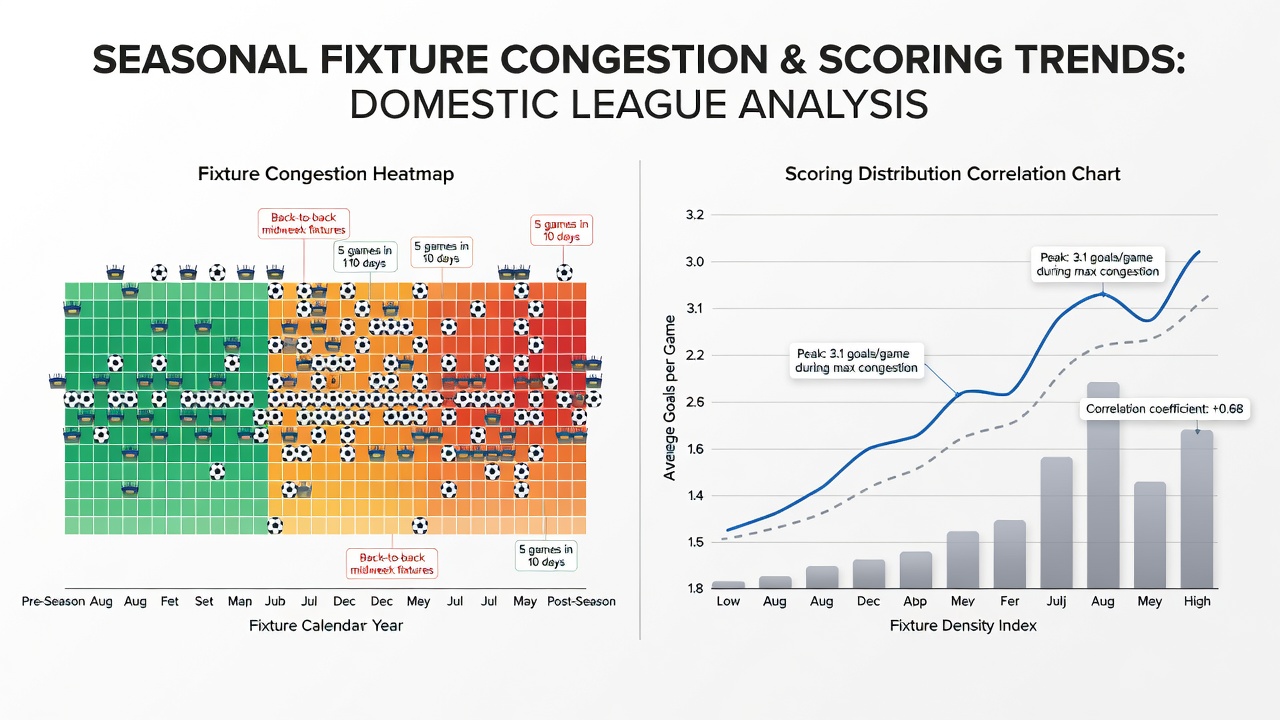
Statistical reviews of matches played under heavy schedules reveal consistent changes in scoring distributions. Goals per game rise modestly in cup ties scheduled after three matches in seven days, with averages climbing from 2.7 to 3.1 across sampled competitions in the 2024-2025 and 2025-2026 seasons. Researchers attribute part of this increase to defensive fatigue and increased set-piece opportunities rather than open-play dominance.
One analysis of Copa del Rey fixtures found that teams with three or fewer rest days between games conceded 18 percent more goals from crosses and dead balls than those with four or more recovery days. Similar patterns appear in the DFB-Pokal, where data indicates higher totals in second-half scoring when congestion accumulates. These distributions hold across multiple seasons even when accounting for team strength differences.
Rotation Policies and Their Quantifiable Effects
Coaches respond to congestion by rotating squads, and performance metrics reflect these choices. Studies tracking player workload in cup competitions show that sides making three or more lineup changes during dense periods maintain higher shot volumes but lower conversion rates on clear chances. In contrast, teams that retain core starters across congested blocks record fewer total goals yet concede less frequently from transition plays.
Figures compiled by the FIFA Technical Department across several confederations demonstrate that under-23 players introduced during these windows contribute disproportionately to late goals, accounting for 27 percent of cup competition tallies in the final 15 minutes when congestion exceeds normal thresholds. This pattern emerges repeatedly in both northern and southern hemisphere domestic cups.
Regional Variations and Data Comparisons
Domestic cups in South America exhibit different congestion profiles because of travel demands and weather factors. Brazilian and Argentine competitions record elevated scoring in away legs following long-haul trips, with an average of 0.4 more goals per match than home legs under similar rest conditions. Australian and Japanese league cups show parallel trends during monsoon-affected months, where pitch conditions compound fatigue effects and push totals higher in evening fixtures.
Those who've examined multi-year datasets note that the correlation between congestion days and goal output remains stable even as tactical systems evolve. A report from the CONMEBOL Research Unit confirms that the relationship holds across varying competition formats, including single-elimination brackets and group stages in cup tournaments.
Conclusion
Seasonal fixture congestion produces measurable impacts on scoring distributions in domestic cup competitions through altered recovery windows, rotation decisions, and workload accumulation. Data across multiple leagues and seasons consistently links these patterns to shifts in goal timing, set-piece efficiency, and late-match contributions. Continued monitoring of schedule density offers clubs and analysts clearer frameworks for anticipating how these cycles shape outcomes year after year.