30 Jul 2026
Prediction Markets Capture Rising Share of Legal U.S. Sports Betting During 2026 World Cup
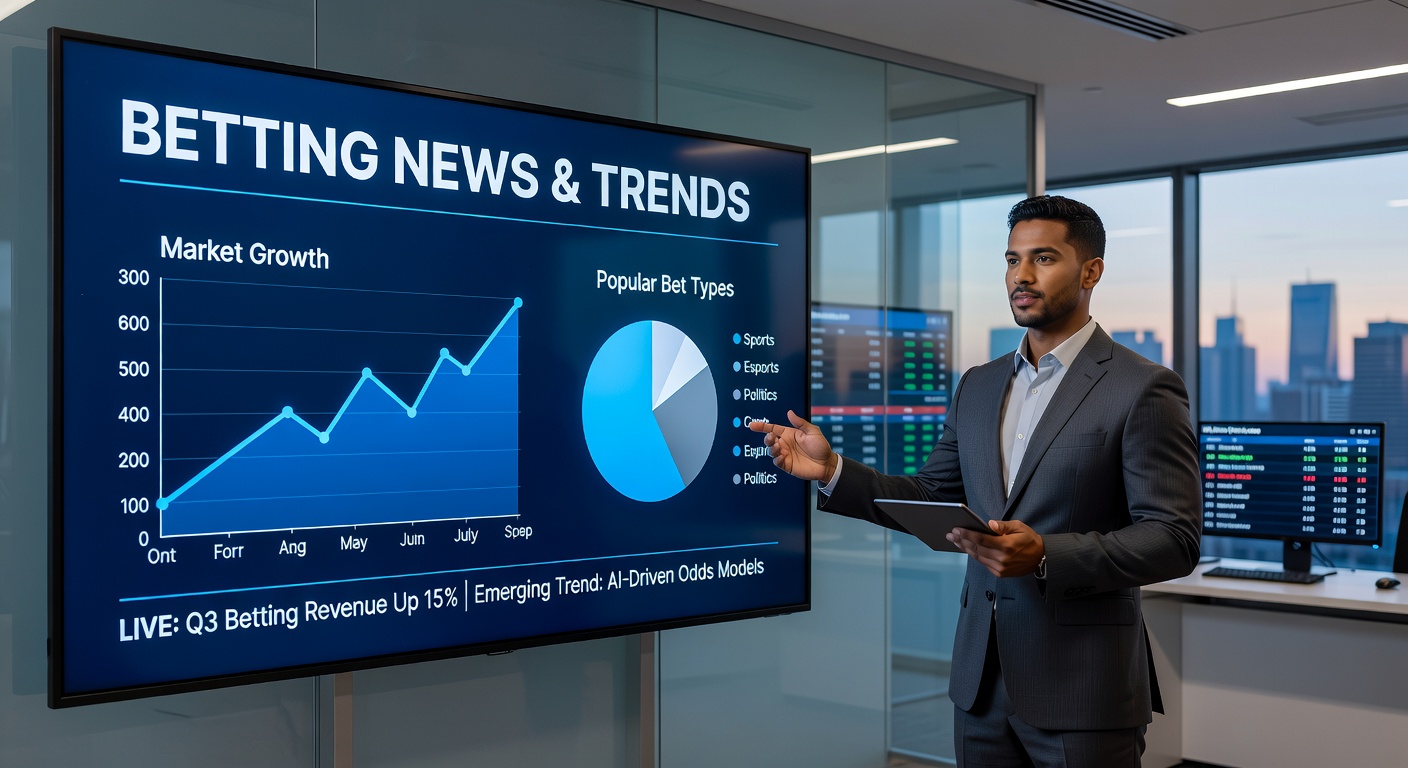
During the 2026 FIFA World Cup prediction-market platforms led by Kalshi and Polymarket recorded activity that reached approximately 27 percent of all legal U.S. sports-betting volume, and that figure represented a sharp increase from the 9 percent share observed at the start of teh year while outpacing growth rates posted by traditional sportsbooks. Observers note that the tournament created heightened interest in event contracts, and data shows the platforms handled record trading volumes as fans sought alternatives to conventional wagers.
Kalshi Sets New Trading Benchmarks
Kalshi broke its previous trading records during the tournament, and the platform attracted more daily active app users than DraftKings or FanDuel at multiple points throughout the event. Those who tracked user metrics found that Kalshi’s daily engagement figures climbed steadily as matches progressed, while Polymarket experienced similar spikes in contract volume tied to specific game outcomes. Figures reveal that both platforms benefited from streamlined interfaces that allowed users to trade contracts on match results and tournament stages without traditional odds structures.
Regulatory Oversight and Marketing Push
Kalshi operated under CFTC oversight throughout the tournament, and that regulatory framework supported aggressive marketing campaigns that reached new audiences across multiple states. Data indicates the platform used targeted promotions that highlighted the transparency of event contracts, and those efforts coincided with increased downloads and account creations. Observers note that the combination of federal oversight and focused advertising helped prediction markets differentiate themselves from state-regulated sportsbooks that faced stricter advertising guidelines in certain jurisdictions.
Market Share Shift Becomes Clear

Traditional sportsbooks recorded steady but slower volume growth during the same period, and their combined handle expanded at rates below those seen in the prediction-market segment. According to available tournament data the 27 percent share achieved by prediction platforms marked the first time such contracts represented more than one-quarter of overall legal U.S. sports-betting activity during a single major event. Researchers who examined the numbers found that the shift occurred as more users explored contract-based trading for its direct focus on binary outcomes rather than point spreads or totals.
Activity remained concentrated around high-profile matches, and volumes surged further during knockout stages when interest in specific team advancement contracts peaked. Those who monitored daily figures noted that Kalshi’s user base expanded most rapidly in states where prediction-market access had been available for several months prior to the tournament, suggesting a familiarity effect among returning participants.
Competitive Landscape Evolves
Conventional operators faced increased competition for user attention, and some responded by expanding their own in-game betting options to retain existing customers. Data shows that prediction-market growth continued even after the World Cup group stage concluded, indicating sustained interest beyond the initial novelty period. Experts tracking the sector observed that CFTC-regulated platforms maintained compliance advantages that allowed broader promotional reach compared with certain state-licensed alternatives.
Looking Ahead After July 2026
By July 2026 the tournament had concluded, yet the elevated share captured by prediction markets remained a focal point for industry analysts. Figures from the event period continue to serve as reference points when evaluating future major tournaments, and platforms like Kalshi have signaled plans to maintain marketing momentum heading into additional high-profile competitions. Those who follow regulatory developments note that ongoing CFTC oversight may influence how quickly similar platforms expand into additional states.
Conclusion
The 2026 FIFA World Cup demonstrated measurable growth in prediction-market participation relative to traditional sportsbooks, and the recorded 27 percent share of legal U.S. volume underscored the segment’s rising profile. Kalshi’s record trading days and higher daily app engagement compared with major sportsbooks provided concrete examples of the trend, while CFTC oversight supported expanded marketing efforts. Data collected during the tournament offers a clear baseline for tracking continued shifts in how U.S. bettors allocate activity across different platforms in subsequent events.