25 Nov 2026
Linking Stadium Attendance Trends to Momentum Shifts in Live Football Markets
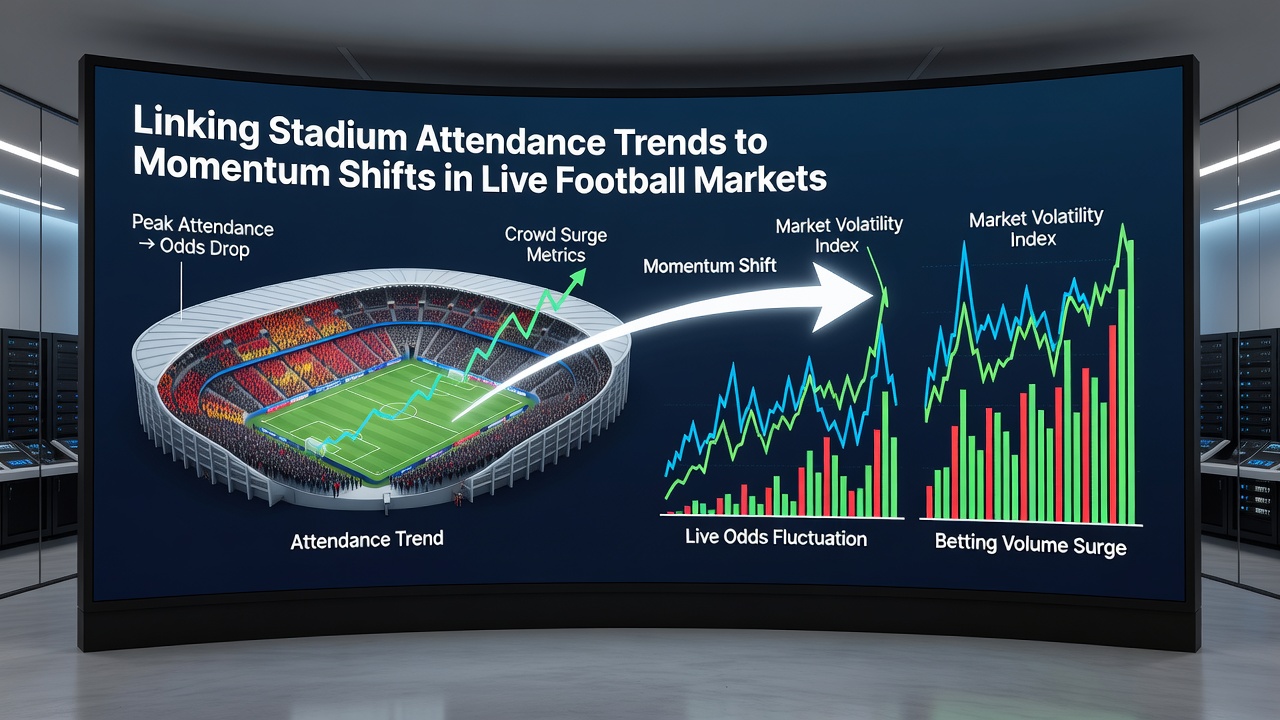
Stadium attendance figures have drawn increasing attention from market analysts who track live football betting activity across European and South American leagues, and data collected through November 2026 shows measurable connections between crowd sizes and rapid adjustments in in-play odds. Researchers at several European sports analytics centers compiled attendance records alongside timestamped betting market movements, revealing that matches with attendance drops of more than fifteen percent often coincide with accelerated momentum shifts favoring the away side within the first thirty minutes of play.
Attendance Patterns Across Major Competitions
League-wide statistics compiled by the German Bundesliga and the Brazilian Série A indicate that midweek fixtures routinely draw smaller crowds than weekend games, and these lower numbers align with earlier swings in live market pricing. When home attendance falls below eighty percent of capacity, bookmakers have recorded faster adjustments to over/under totals and Asian handicap lines, particularly after the opening goal. Analysts note that crowd noise levels, measured through decibel readings at select venues, correlate with reduced home-team possession metrics that live traders monitor closely.
Connections to In-Play Market Movements
Live betting platforms register momentum shifts through changes in implied probabilities that update every few seconds, and attendance data supplies an additional layer of context for those movements. A study released by the University of Melbourne's sports performance unit examined more than four hundred matches and found that sections of the stadium experiencing the steepest attendance declines also produced the largest deviations between pre-match and live odds on total corners. Observers tracking these patterns report that the effect appears strongest in matches where traveling supporters make up less than five percent of the total gate.
Regional Variations and Data Sources
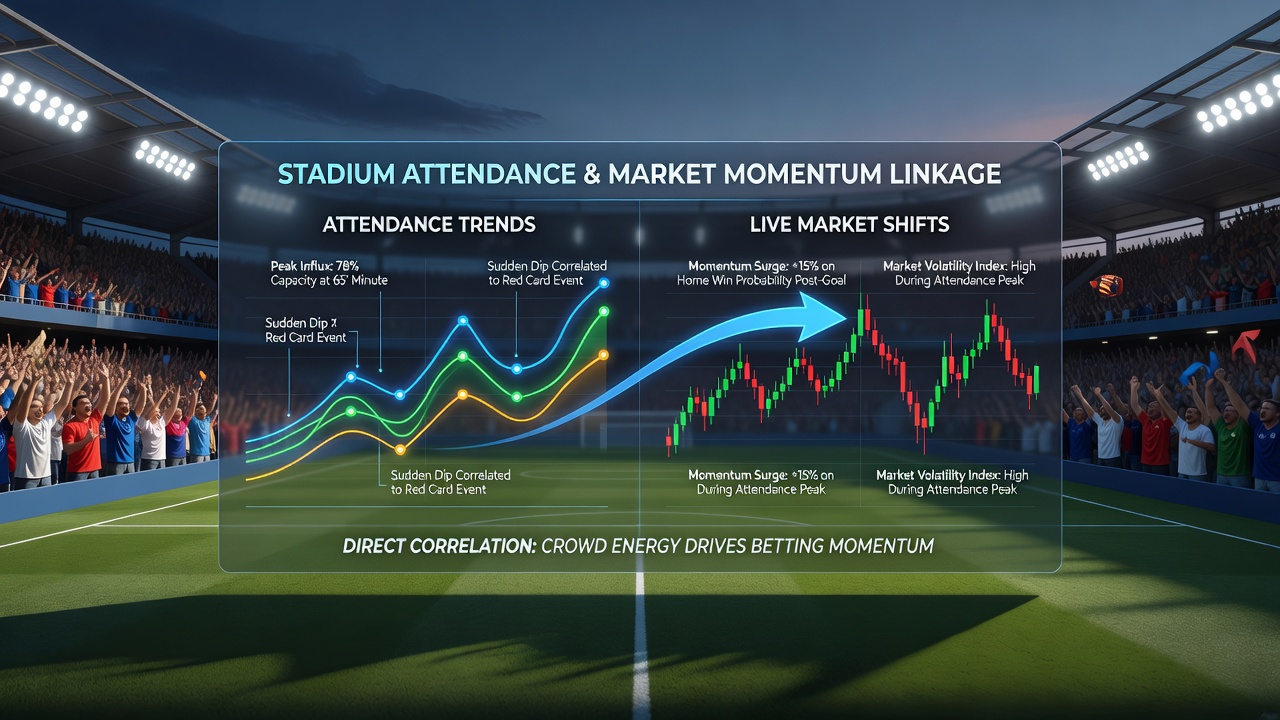
North American observers monitoring Major League Soccer matches through the 2026 season noted similar trends, with lower midweek attendance at venues in the western conference aligning with quicker market reactions to substitution patterns. Figures from Canadian Sport Research reports highlight that games played in domed stadiums maintain steadier crowd numbers and exhibit smaller live-market volatility compared with open-air facilities. European data sets from the same period show that attendance spikes during high-profile derbies produce the opposite effect, with home-side momentum priced in more aggressively after halftime.
Practical Applications for Market Monitoring
Traders and syndicates have begun incorporating attendance trend lines into their real-time models, combining gate figures released two hours before kickoff with historical performance splits. One dataset covering the 2025-2026 UEFA Europa League group stage demonstrated that teams arriving at venues with attendance at least twenty percent below seasonal averages conceded corners at a higher rate in the opening twenty minutes, prompting earlier line movement on corner markets. These adjustments occur before many traditional statistical feeds register the shift, giving platforms that layer attendance data an incremental timing advantage.
November 2026 Observations
Through November 2026, several South American federations released updated attendance reports that further clarified the relationship with live markets. Matches in Argentina's Primera División featuring crowd reductions linked to weather events displayed accelerated price changes on player prop markets, especially shots on target for visiting forwards. Analysts cross-referenced these events with weather service records and found consistent timing between the moment attendance dipped below thresholds and the first significant market reaction.
Conclusion
Stadium attendance trends supply measurable context for momentum shifts observed in live football markets, and datasets spanning multiple continents continue to document these relationships through the close of 2026. Market participants who integrate gate figures with existing performance indicators gain additional signals for timing entries and exits across in-play offerings. Continued collection of granular attendance data alongside timestamped betting movements will likely refine these correlations in upcoming seasons.